CCS Clinical Insights
PCOS Beyond the Skin: A Collaborative Approach from Dermatology and Gynecology
How acne, hirsutism, hair loss, and menstrual changes can reveal a multisystem condition
Polyendocrine Metabolic Ovarian Syndrome (PMOS), formerly known as Polycystic Ovary Syndrome (PCOS), is one of the most common endocrine and metabolic disorders affecting women of reproductive age. In May 2026, an international consensus officially adopted the term PMOS to better reflect the condition's complex endocrine, metabolic, reproductive, and dermatologic manifestations rather than focusing solely on the ovaries. Because PCOS remains the most widely recognized term among patients and many healthcare professionals, both terms are used throughout this article.
Terminology Update (May 2026)
An international consensus officially renamed Polycystic Ovary Syndrome (PCOS) to Polyendocrine Metabolic Ovarian Syndrome (PMOS) in May 2026 to better reflect the condition's multisystem nature, including its endocrine, metabolic, reproductive, and dermatologic manifestations. During this transition, both terms are commonly used in clinical practice and the medical literature.
For dermatology and gynecology clinicians, the opportunity is not to duplicate one another’s work. It is to recognize different pieces of the same clinical picture, communicate early, and build a plan that addresses both what the patient can see and what may be happening systemically.

Why acne can be the first clue
Acne is common, and most acne does not mean a patient has PCOS. The signal becomes stronger when acne is persistent, appears or worsens in adulthood, clusters along the lower face or jawline, resists an otherwise appropriate treatment plan, or occurs with other signs of androgen excess. Hirsutism, patterned scalp hair loss, irregular cycles, infertility concerns, or acanthosis nigricans should prompt a more complete history.
The clinical value of the dermatology visit is often timing. A patient may seek help for acne years before she seeks fertility care or recognizes that her menstrual pattern is abnormal. A few targeted questions can therefore shorten the path to diagnosis: Are cycles predictable? How many occur each year? Has there been new facial or body hair growth? Is scalp hair density changing? Is there a history of difficulty conceiving, rapid weight change, or symptoms that developed suddenly?
The dermatologist’s perspective: treat the skin and widen the lens
Dermatology remains central to symptom control. Current acne guidance supports topical therapies such as retinoids, benzoyl peroxide, azelaic acid, and other agents, as well as selected systemic options. For women with hormonally influenced acne, combined oral contraceptives and spironolactone are among the recommended systemic therapies when clinically appropriate. Treatment choices must account for pregnancy potential, contraindications, comorbidities, patient goals, and monitoring needs.
At the same time, the dermatologist should identify patterns that do not fit routine acne. Rapid-onset hirsutism, virilization, severe or abrupt androgenic changes, or unusual laboratory findings may require expedited evaluation for causes other than PCOS. The goal is not to label every adult woman with acne as having a hormonal disorder; it is to recognize when the skin is providing a meaningful clue.
The gynecology perspective: confirm the syndrome and assess the whole patient
In adults, PCOS is generally diagnosed after excluding other causes and identifying at least two of three features: clinical or biochemical hyperandrogenism, ovulatory dysfunction or irregular cycles, and polycystic ovarian morphology. The 2023 international guideline also allows anti-Müllerian hormone (AMH) to be used instead of ultrasound to define ovarian morphology in adults, but AMH should not be used as a stand-alone diagnostic test. If irregular cycles and hyperandrogenism are already present, ultrasound or AMH is not required to make the diagnosis.
Adult PCOS: The Diagnostic Framework
After excluding other causes, diagnosis generally requires 2 of 3 features.
|
1
Clinical or biochemical hyperandrogenism |
2
Ovulatory dysfunction or irregular cycles |
3
Polycystic ovarian morphology* |
A simplified adult diagnostic framework based on the 2023 international guideline.
A gynecologic evaluation may also address cycle protection, fertility goals, contraception, pregnancy planning, and endometrial risk. PCOS care should not stop at reproductive symptoms. The international guideline emphasizes metabolic risk, sleep apnea, psychological features, pregnancy-related risk, healthy lifestyle support, and shared decision-making. Screening and follow-up should therefore be individualized rather than reduced to a single hormone panel or ultrasound result.
Where collaboration changes care
A Two-Specialty View of PCOS
Different entry points. One coordinated plan.
Dermatology
|
Gynecology
|
A coordinated plan can prevent fragmented treatment. The dermatologist may control acne or hirsutism while the gynecologist evaluates ovulatory dysfunction and reproductive health. Both clinicians can reinforce realistic timelines, discuss pregnancy considerations, monitor adverse effects, and align therapies so the patient receives one coherent message rather than competing recommendations.
Collaboration is especially important when symptoms affect quality of life. Acne, unwanted hair growth, scalp hair loss, infertility, and weight stigma can carry a substantial emotional burden. Asking what matters most to the patient - clear skin, cycle predictability, fertility, hair preservation, metabolic health, or several goals at once - helps the team sequence care and measure success in a way that is meaningful to her.
A practical shared-care checklist
- Confirm the patient’s primary concern and reproductive goals.
- Document cycle pattern, acne distribution, hair growth, scalp hair loss, medications, and symptom timing.
- Look for red flags such as rapid virilization or abrupt progression.
- Use guideline-based diagnostic criteria and exclude alternative causes.
- Coordinate dermatologic therapy with contraception and pregnancy planning.
- Assess metabolic, reproductive, and psychological dimensions of PCOS.
- Agree on who will monitor treatment response, laboratory needs, and follow-up.
The bottom line
PCOS is not simply an ovarian finding, and acne is not always an isolated skin problem. Dermatology may recognize the earliest visible signs, while gynecology may define the reproductive and hormonal pattern. The strongest care model connects those perspectives around the patient.
Continue the conversation at CCS 2026
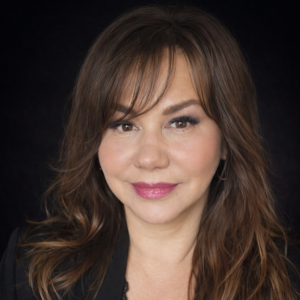
The Collaborative Care Summit 2026 will feature the session “Hormones in Action: PCOS, Androgen Excess, Acne, and Hair Loss,” presented by Amanda Hill, MD (dermatology) and Karen Johnson, MD (gynecology). The case-based session will examine diagnostic approaches, metabolic considerations, treatment strategies, and coordinated care.

Amanda Hill, MD |

Karen Johnson, MD |
September 12-13, 2026 · Hilton Orlando · Orlando, Florida
View AgendaFor more information about the terminology update, review the Endocrine Society announcement on the transition from PCOS to PMOS.
References
- Recommendations From the 2023 International Evidence-based Guideline for the Assessment and Management of Polycystic Ovary Syndrome. Journal of Clinical Endocrinology & Metabolism. 2023.
- Polyendocrine metabolic ovarian syndrome, the new name for polycystic ovary syndrome: a multistep global consensus process. The Lancet. 2026.
- American Academy of Dermatology. Acne clinical guideline. Updated guideline published 2024.
- American College of Obstetricians and Gynecologists. Polycystic Ovary Syndrome (PCOS) FAQ. Reviewed April 2025.
- Endocrine Society. Evaluation and Treatment of Hirsutism in Premenopausal Women: Clinical Practice Guideline. 2018.
- Collaborative Care Summit 2026 Final Agenda and Learning Objectives.
Educational content for healthcare professionals. This article is not a substitute for individualized medical judgment or patient-specific care.